
Why You’re Not “Unphotogenic” And Never Were
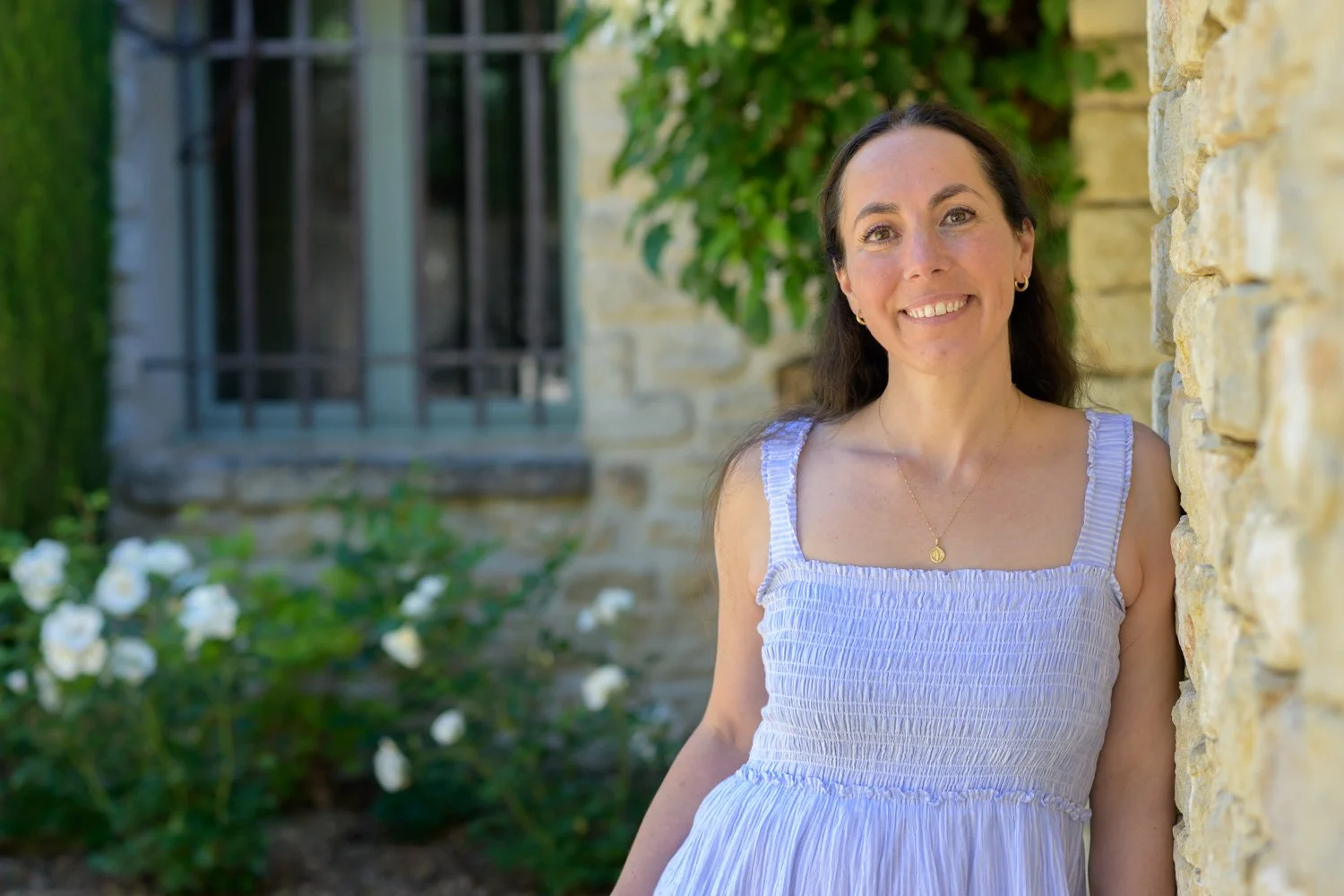
There’s a phrase I hear in almost every session.
Sometimes it’s said with a laugh.
Sometimes it’s said apologetically.
Sometimes it’s said so casually that it’s clear it has been repeated for years.
“I’m not photogenic.”
It’s one of the most common things people tell me before stepping in front of the camera.
And every time I hear it, I understand where it comes from.
Most of us have had experiences that taught us to believe this about ourselves. A bad driver’s license photo. A stiff school picture. A group photo where we caught ourselves mid-blink. A phone photo taken from below in harsh overhead light. A moment frozen in a way that felt nothing like how we know ourselves to be.
Over time, those moments can become a story:
I’m awkward in photos.
I hate how I look in pictures.
I’m just not photogenic.
But after years of photographing people, I want to offer another perspective.
I don’t believe some people are photogenic and others are not.
I believe many people have simply never had the right experience in front of the camera.
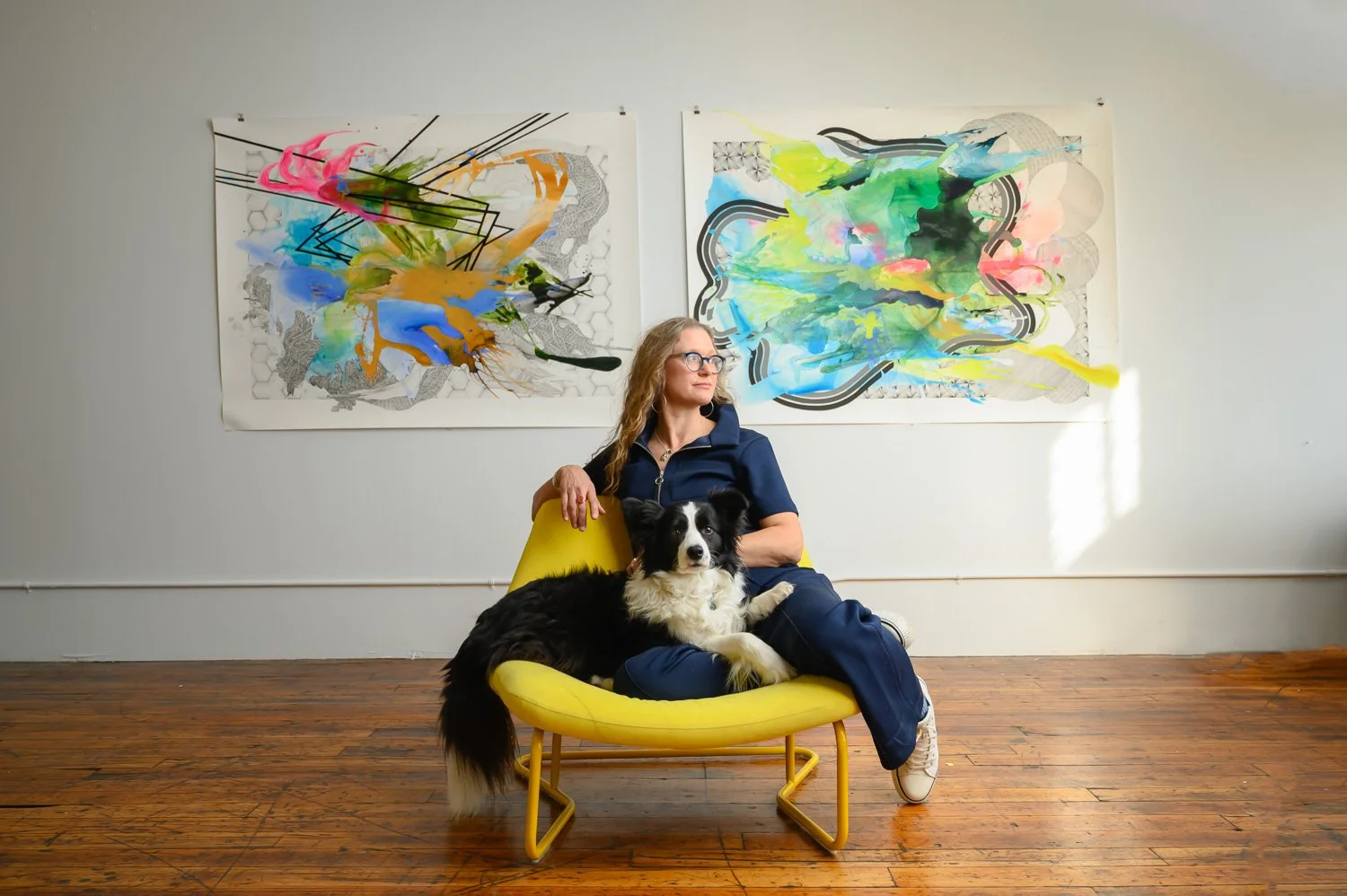
Why So Many People Believe They Aren’t Photogenic
Most people don’t arrive at this belief randomly. It’s usually built slowly, through years of small experiences.
1. Bad Photos Become False Evidence
Many of us have seen unflattering photos of ourselves and treated them like proof.
But a single image is not the truth of who you are. It is one fraction of a second, captured under specific conditions.
A rushed expression.
A strange angle.
Harsh lighting.
Tension in the body.
No guidance.
That’s not you. That’s a moment.
2. School Pictures and Forced Smiles
So many people carry memories of awkward school photos—standing in line, being told to smile on command, getting one chance, and feeling embarrassed by the result.
That kind of experience teaches us that being photographed is uncomfortable and something to endure rather than enjoy.
3. Phone Cameras Distort More Than We Realize
Phone cameras are convenient, but they are not neutral.
Depending on the lens, distance, angle, and lighting, they can widen features, flatten depth, exaggerate proportions, or create shadows that don’t exist naturally.
Then we look at the result and assume the camera told the truth.
It didn’t.
It gave you one interpretation.
4. Self-Criticism Is Loud
Many people look at photos searching for flaws before they look for humanity.
We notice the chin, the smile, the wrinkles, the posture, the arm placement, the expression.
We rarely notice warmth. Presence. Character. Strength. Tenderness. Life.
Sometimes the issue isn’t the photo at all—it’s the lens of criticism we’ve learned to look through.
What Actually Creates Beautiful Portraits
People often assume great portraits come from having the “right face” or naturally knowing how to pose.
That’s rarely the case.
Beautiful portraits are usually created through a combination of environment, skill, and trust.
-
When someone feels rushed, self-conscious, or judged, it shows.
When someone feels relaxed, welcomed, and given time to settle in, everything changes.
The jaw softens.
The shoulders drop.
The eyes brighten.
The real person comes forward.So much of my work as a photographer has very little to do with pressing the shutter.
It has to do with creating comfort.
-
A portrait session is vulnerable.
You’re being seen. Many people carry years of discomfort around that experience.
Trust matters.
When someone feels they don’t need to perform, impress, or get it right, they begin to show up naturally.
That’s when the strongest images happen.
-
Most people don’t look their best when frozen.
They look like themselves when they’re breathing, laughing, shifting weight, turning slightly, walking, adjusting hair, exhaling.
Movement creates life.
Sometimes the image people love most is the one taken between poses.
-
Almost no one needs to “know what to do” before a session.
That’s my job.
Gentle direction can completely transform how someone feels and looks:
Turn slightly.
Relax your hands.
Drop your shoulders.
Take a breath.
Think of someone you love.
Look just past the lens.Small guidance creates natural results.
-
Light shapes everything.
It can soften skin, brighten eyes, sculpt features, add warmth, create mood, and bring dimension.
Poor light can make someone look tired, flat, or unlike themselves.
Good light can reveal the beauty that was already there.
-
Different lenses render faces differently.
Some compress features beautifully. Some distort when used too close. Some flatter more naturally than others.
This is one of the invisible technical details people don’t often think about—but it matters.
-
Sometimes the best portrait happens one second after the smile.
Or right before it.
In the exhale.
In the laugh.
In the quiet moment when someone forgets to be self-conscious.Timing is everything.
THE SUNSET METAPHOR
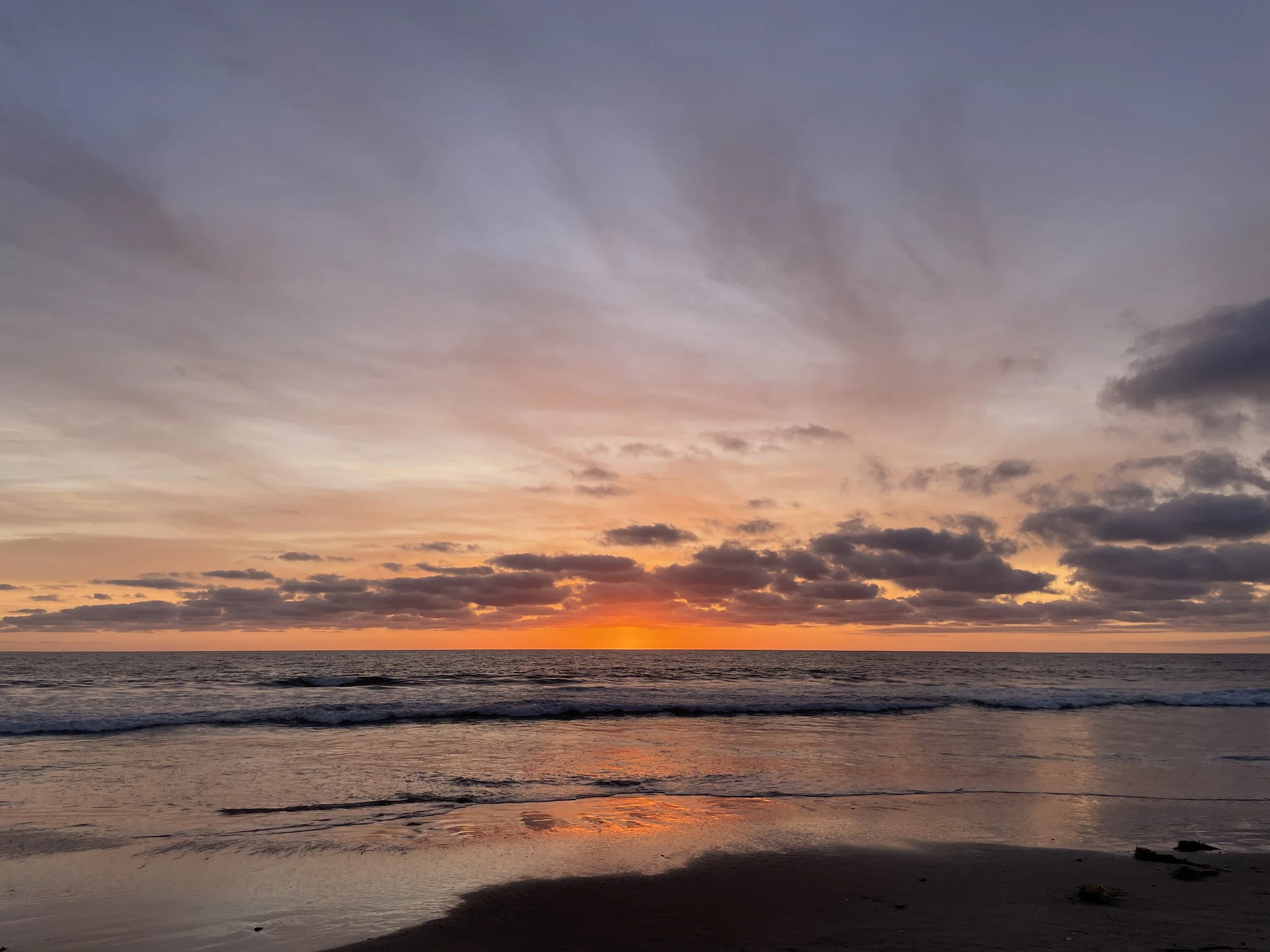
If we took a picture of a sunset and it didn’t come out beautifully, we wouldn’t blame the sunset.
We wouldn’t say:
That sunset was unphotogenic.
That sunset just doesn’t photograph well.
That sunset should have looked different.
We would assume something else was off.
Maybe we didn’t have the right light settings.
Maybe the lens couldn’t capture the range of color.
Maybe we shot too quickly.
Maybe we didn’t know how to translate what we were seeing.
We would blame the tools, the conditions, or the technique.
Never the sunset.
And yet so many people look at one disappointing photo of themselves and decide they are the problem.
You Were Never the Problem
If you’ve spent years believing you don’t photograph well, I hope this lands gently:
You may not be unphotogenic.
You may have been rushed.
Poorly lit.
Photographed without care.
Caught in an awkward moment.
Directed badly.
Looking at yourself through criticism.
That is very different.
You do not need to become someone else to be photographed beautifully.
You do not need to lose weight first.
You do not need to learn how to pose.
You do not need to become more confident before booking a session.
You may simply need a different experience.
One with time.
With kindness.
With guidance.
With good light.
With someone who knows how to see you.
If This Story Is Ready to Change
Whether you need updated headshots, branding portraits, senior portraits, or simply want to see yourself differently, I would be honored to help create that experience.
My work is not about forcing people to become photogenic.
It’s about helping people realize they always were. 🤍