
How to Prepare for a Headshot Day: What to Wear, What to Expect, and How to Feel Comfortable in Front of the Camera
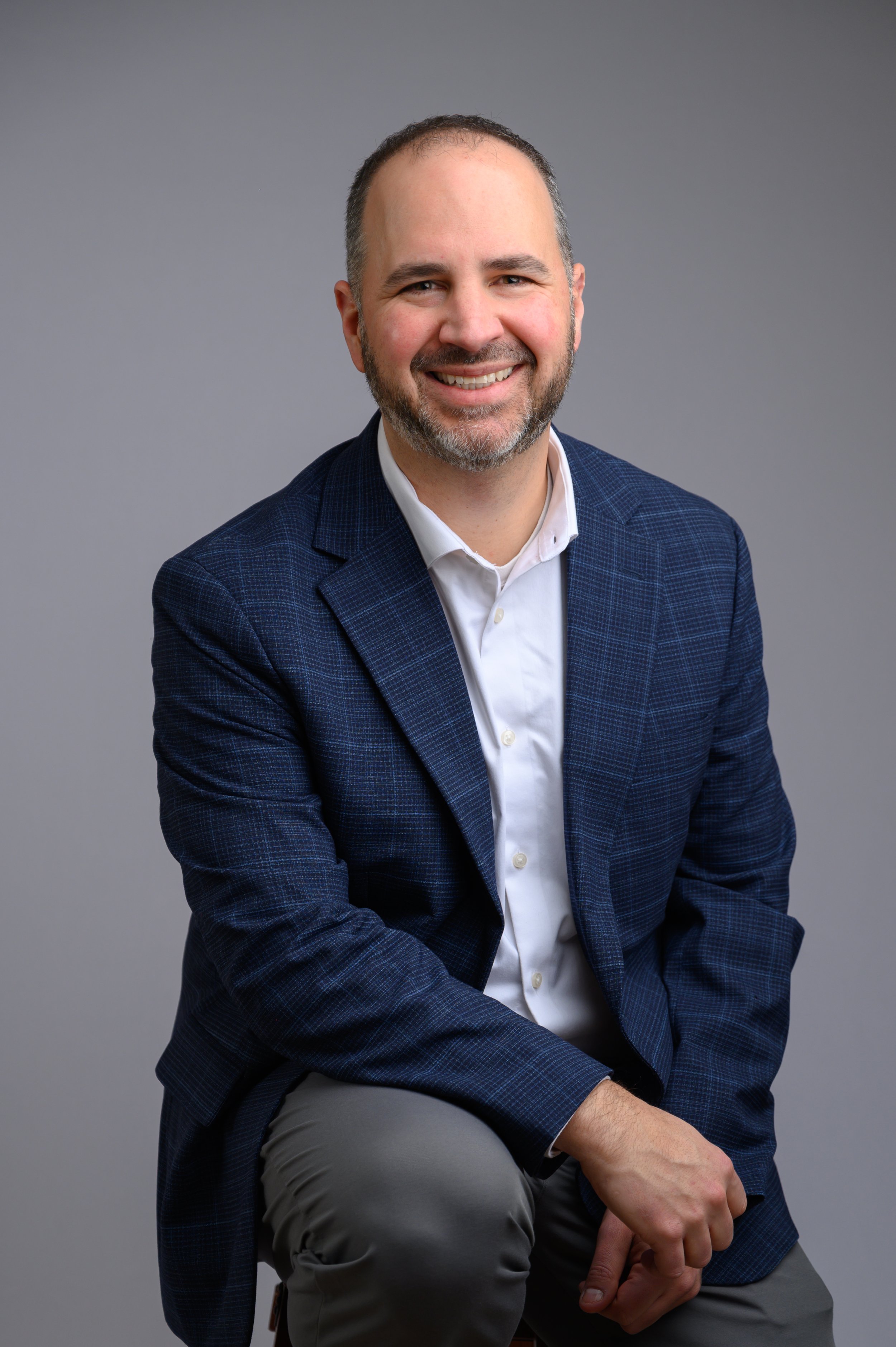
Headshot days
are a great way to update your professional photo without having to schedule a separate photography session.
But they are also a little different from a regular portrait session. You may only have a few minutes in front of the camera. And if you are anything like many of the people I photograph, you might be wondering:
What am I supposed to do when I get in front of the camera?
The good news is that you don't need to know.
That's my job.
my best tips for preparing for a headshot day.
1. Choose an outfit that feels like you
For a headshot day, you'll usually have time for one outfit, so choose something you already feel good wearing.
This is not the time to experiment with something completely different from what you normally wear.
Think about the image you want your headshot to communicate. Do you want to look approachable? Confident? Professional? Creative? Warm?
Then choose clothing that supports that feeling.
Solid colors tend to photograph beautifully, but patterns, jewelry, and other details are completely fine when they feel authentic to you. The most important thing is that you feel comfortable and like yourself.
A few things to keep in mind:
Bring clothing that fits well and doesn't require a lot of adjusting.
Avoid anything that makes you feel self-conscious.
Make sure your clothing is clean and wrinkle-free.
Consider the background you'll be photographed against. If you know the background ahead of time, choose something that contrasts with it.
Bring a lint roller or small mirror if that will help you feel more prepared.
And don't overthink it. Your headshot should look like you on a really good day, not like someone dressed you up as somebody else.
2. Think about who you're speaking to
Before you step in front of the camera, I always encourage people to think about who is going to see this photo.
Who are you speaking to?
Are you trying to connect with students? Colleagues? Potential clients? Employers? Other professionals in your field?
Then think about how you want those people to experience you. What expressions do you naturally give them when you're having a conversation? Are you warm and welcoming? Thoughtful and engaged? Confident and direct? Friendly and approachable?
Bring those people to mind during your session.
I’ll remind you of this while we're photographing, too. Rather than simply telling you to "smile," I may ask you to think about the person you are speaking to or the feeling you want to convey. This helps create an expression that feels genuine and connected rather than posed.
This doesn't mean you need to arrive with a perfect smile or a practiced expression.
Instead, think about a few words that describe you or the way you want people to experience you.
Maybe it's:
Confident. Warm. Approachable. Smart. Creative. Capable. Calm.
Having that intention in the back of your mind can help your expression feel more natural.
3. You don't need to know how to pose
This is probably the biggest thing I want people to know.
You do not have to know what to do in front of the camera.
I'll guide you.
During your headshot session, I'll walk you through a few simple poses and adjustments so you don't have to stand there wondering where to put your hands or whether you're supposed to smile.
We'll make small changes to your shoulders, posture, head position, hands, and expression.
I'll typically take you through about three different poses, giving you a few options while still keeping things moving.
You might hear me say:
"Relax your shoulders."
"Take a breath."
"Bring your chin just slightly this way."
"Let's try one with a little more expression."
These little adjustments can make a huge difference in how comfortable and natural you look.
4. Relax your face before you get to the camera
One of the things I notice most when people tell me they are "terrible at photos" is how much tension they are carrying.
We hold tension in our jaw, shoulders, hands, neck, and even around our eyes.
So before your turn, take a breath.
Unclench your jaw.
Drop your shoulders.
Shake out your hands.
And remind yourself that you don't have to perform.
You just have to be there.
5. Make sure you are camera-ready before your time slot
Because headshot days move quickly, it's helpful to arrive ready to step in front of the camera.
Take a quick look in the mirror before your session. Check your hair, collar, glasses, lipstick, jewelry, or anything else you want to adjust.
And then forget about it.
You don't need to spend the entire day worrying about whether everything is perfect.
We'll make any little adjustments we need to make when you get in front of the camera.
6. Don't wait until your turn to start getting comfortable
If you know you'll be nervous, that's completely normal.
While you're waiting, start noticing your breathing and your posture. Take a few deep breaths. Relax your shoulders. Get out of "conference mode" for a minute.
You can also remind yourself that this is going to be quick.
We're not doing a long portrait session. We're taking a few minutes to create a professional image that looks like you.
That can make the whole experience feel a lot less intimidating.
7. Let me do the work
This is the most important part.
You don't need to practice your "professional smile."
You don't need to search Pinterest for headshot poses.
You don't need to know which side is your good side.
And you definitely don't need to be "photogenic."
I work with people who are comfortable in front of the camera and people who would much rather be anywhere else.
My approach is relaxed and guided. Even when we only have a few minutes together, I'm paying attention to the little things that can make you feel and look more comfortable.
I'll help you with your posture, expression, shoulders, hands, and all those tiny details that make a photograph feel natural instead of stiff.
The goal isn't to create a perfect pose.
The goal is to create a headshot that looks like you and feels like you.
What happens during a conference headshot session?
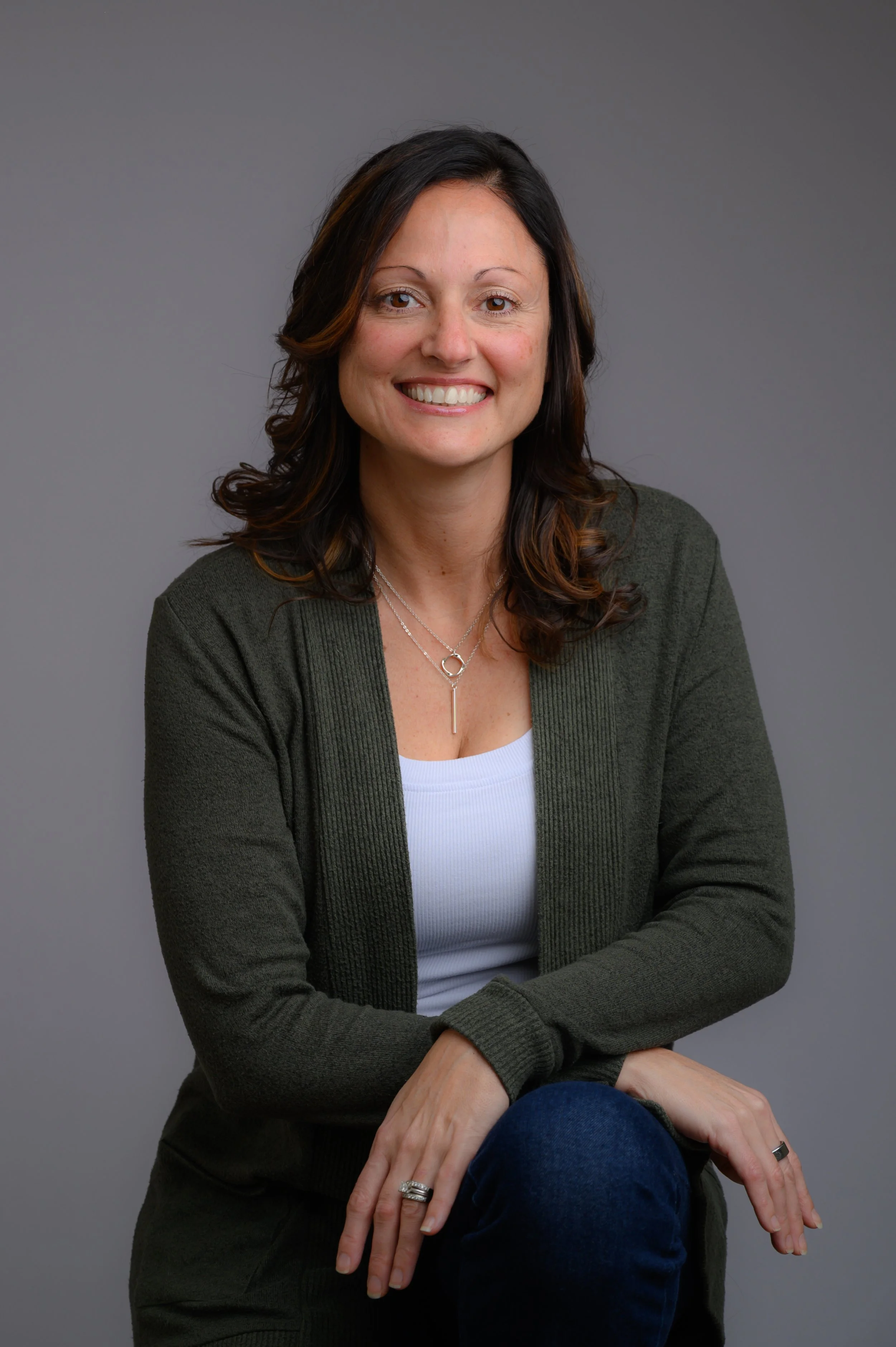
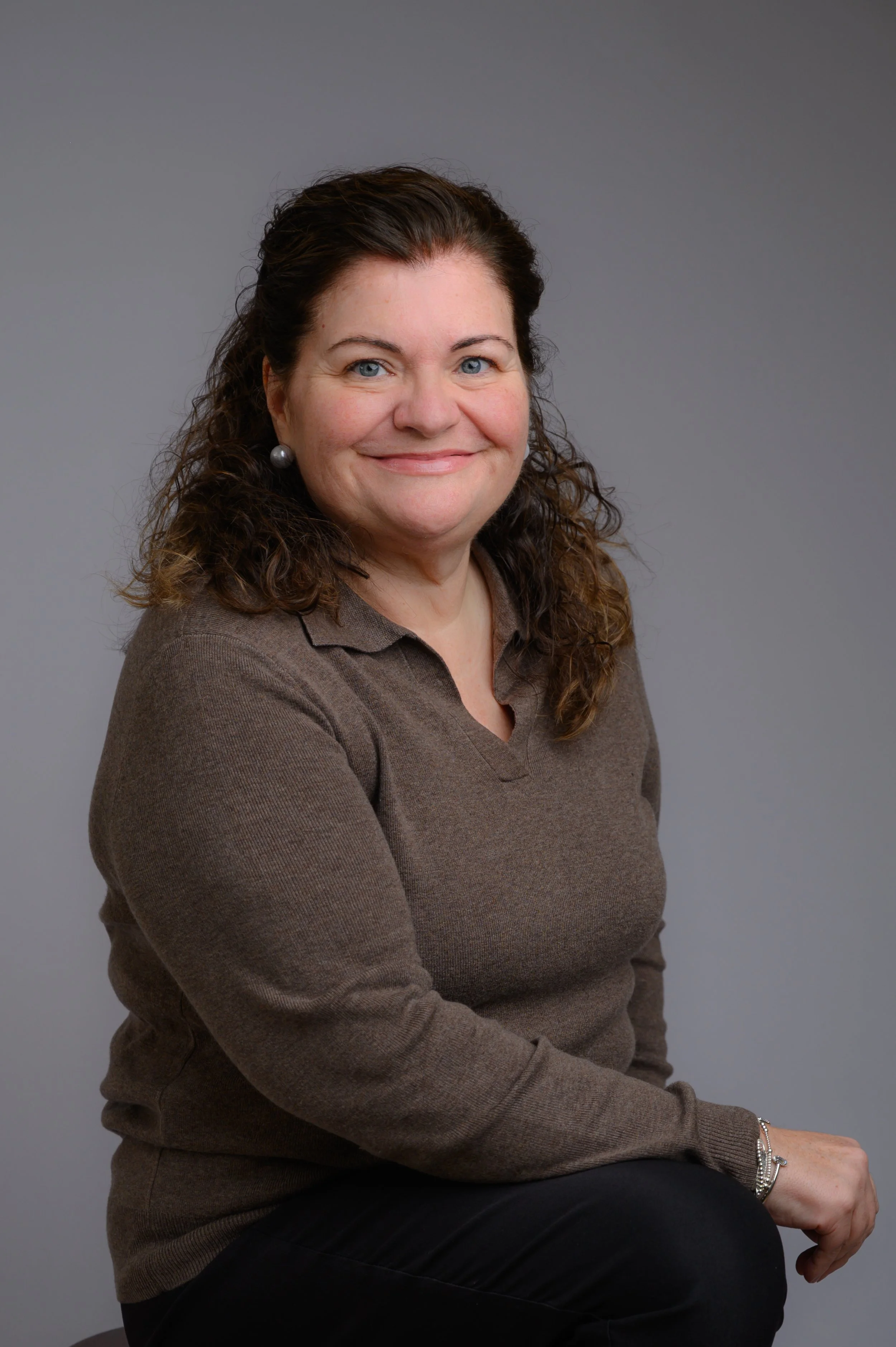
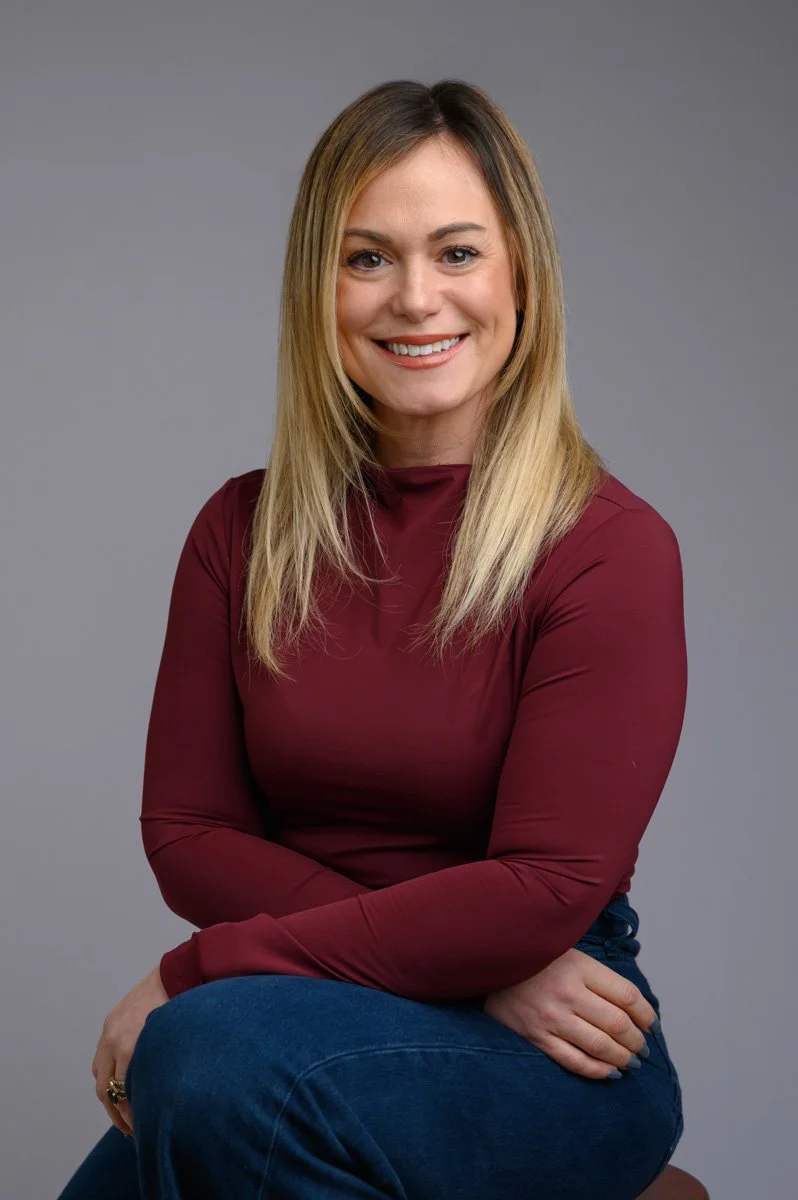
For a typical headshot day, your session will be much shorter than a full portrait session, but I'll still guide you through the entire process.
Once you're in front of the camera, I'll make a few adjustments, photograph you in several poses and expressions, and make sure we have options to work with.
You'll have a chance to settle in, even if you only have a few minutes.
And then you're done.
No complicated posing instructions. No standing there wondering what to do. Just a quick, guided experience designed to give you a professional image you feel good about using.
What should I wear for a conference headshot?
Wear something professional that feels comfortable and authentic to you. Solid colors work well, but patterns and accessories are also completely appropriate when they reflect your personality and professional style.
The best outfit is one that fits well, makes you feel confident, and looks like something you would actually wear to work.
What if I hate having my picture taken?
You're in good company.
A lot of the people I photograph tell me before their session that they are awkward, uncomfortable, or "not photogenic."
You don't have to know how to be in front of the camera. That's why I'm there.
My job is to guide you through the process and help you relax enough that your personality can actually come through.
Sometimes all it takes is a breath, a small shift in posture, and someone telling you exactly what to do next.
Your professional headshot doesn't have to feel stiff or overly posed
A professional headshot is often one of the first images people see when they meet you online.
It might be on your LinkedIn profile, your university website, a conference speaker page, a professional bio, or your organization's staff directory.
It should look professional, but it should also feel like you.
That's what I aim for every time I pick up my camera.
Whether I'm photographing one person for an individual portrait session or photographing dozens of people during a conference headshot day, I want the experience to feel relaxed, supportive, and easy.
Because when you feel comfortable, it shows.
Need updated headshots for yourself, your team, or your next event? Learn more about corporate and on-site headshot photography in Western Massachusetts.